General Description
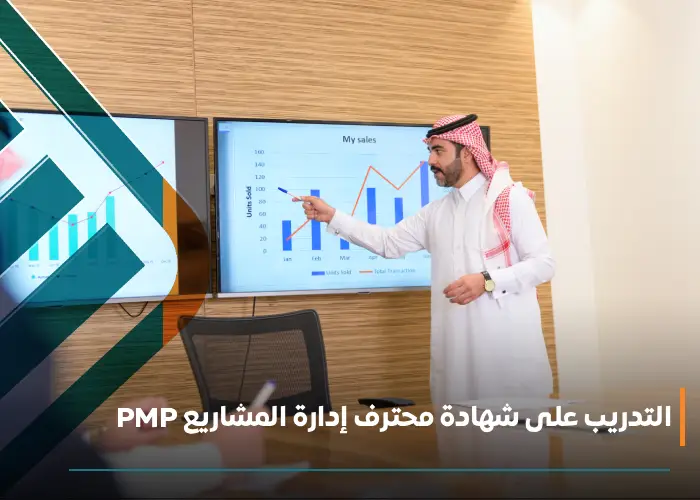
The Project Management Professional (PMP) certification is one of the most recognized global professional credentials in the field of project management. It is designed for professionals who want to develop their skills in planning, managing, executing, monitoring, and controlling projects according to internationally recognized methodologies and professional standards. This program focuses on equipping learners with both foundational and advanced concepts in project management, including scope, time, cost, quality, risk, resources, and stakeholder management, helping them improve project performance and achieve organizational goals more effectively. The Project Management Professional (PMP) certification also enhances the learner’s professional value, opens wider career opportunities, and strengthens their ability to lead and manage projects professionally across different industries.
The Goals
The Project Management Professional (PMP) certification aims to prepare learners to understand modern project management methodologies and develop planning, execution, monitoring, and control skills that enable them to manage projects efficiently and achieve the required results within the defined scope, schedule, and budget.
Detailed Objectives
By the end of the program, learners will be able to:
- Understand the core and professional concepts of project management.
- Identify the project life cycle and its different phases.
- Develop project planning skills and define goals and scope clearly.
- Manage time, cost, and resources more effectively.
- Understand the principles of risk and quality management in projects.
- Improve the ability to communicate with stakeholders and manage their expectations.
- Apply monitoring and control methods to track project progress.
- Strengthen leadership and decision-making skills in project environments.
- Understand global best practices in project management according to professional standards.
- Prepare more effectively for the PMP certification exam and advance their career path in this field.
Target Auidence
The Project Management Professional (PMP) certification is suitable for a wide range of learners, including:
- Current project managers who want to advance their professional path.
- Project coordinators and team supervisors.
- Professionals working in operations, engineering, IT, and management.
- Leaders and supervisors managing initiatives and organizational projects.
- Employees aspiring to move into project leadership roles.
- Entrepreneurs and business owners managing multiple projects.
- Students and graduates who want to understand project management professionally.
- Anyone seeking the PMP certification to strengthen career opportunities.
The Features
The Project Management Professional (PMP) certification offers several important benefits, including:
- A globally recognized professional credential in project management.
- Strengthening comprehensive understanding of modern project management practices.
- Developing planning, organization, monitoring, and control skills.
- Improving the ability to manage time, cost, and resources efficiently.
- Supporting effective decision-making in project environments.
- Enhancing employment and promotion opportunities across industries.
- Strengthening the learner’s CV and professional profile.
- Suitable for professionals who want to improve their leadership and management capabilities.
- Allowing direct application of acquired skills in real project environments.
- Supporting career growth in one of the most important management disciplines.
Topics
Module 1: Introduction to Project Management
- The concept of project management and its importance.
- Project characteristics and the difference between projects and operations.
- The role of the project manager in achieving objectives.
Module 2: Project Life Cycle
- Project phases from initiation to closure.
- Project initiation and objective definition.
- Planning, execution, monitoring, and closing.
Module 3: Scope and Schedule Management
- Defining project scope and requirements.
- Breaking down tasks and activities.
- Creating schedules and tracking progress.
Module 4: Cost and Resource Management
- Estimating costs and preparing budgets.
- Allocating human and material resources.
- Monitoring the financial performance of the project.
Module 5: Risk and Quality Management
- Identifying and analyzing risks.
- Preparing risk response plans.
- Ensuring quality and improving project deliverables.
Module 6: Communication and Stakeholder Management
- Identifying stakeholders and analyzing their needs.
- Creating effective communication plans.
- Managing expectations and professional relationships within the project.
Module 7: Leadership and Project Control
- Leadership and decision-making skills.
- Monitoring performance and measuring success indicators.
- Handling project challenges and changes.
Learning outcomes
After completing the Project Management Professional (PMP) certification, learners will be able to:
- Understand project management methodologies and principles professionally.
- Plan projects and organize their phases efficiently.
- Manage scope, time, cost, and resources more effectively.
- Handle risks and project-related challenges.
- Communicate effectively with teams and stakeholders.
- Track project progress and make timely decisions.
- Strengthen leadership and management skills in the workplace.
- Build a strong foundation for career advancement in project management and prepare for the PMP exam.
Requirements And Conditions
To join the Project Management Professional (PMP) certification, it is preferable to have:
- An interest in project management and professional development.
- Practical experience or basic knowledge of work and project environments is an added advantage.
- A desire to develop leadership and organizational skills.
- Readiness to participate in activities and practical applications.
- Commitment to attending sessions and completing program requirements.
- A willingness to apply acquired knowledge in the workplace or career path.