General Description
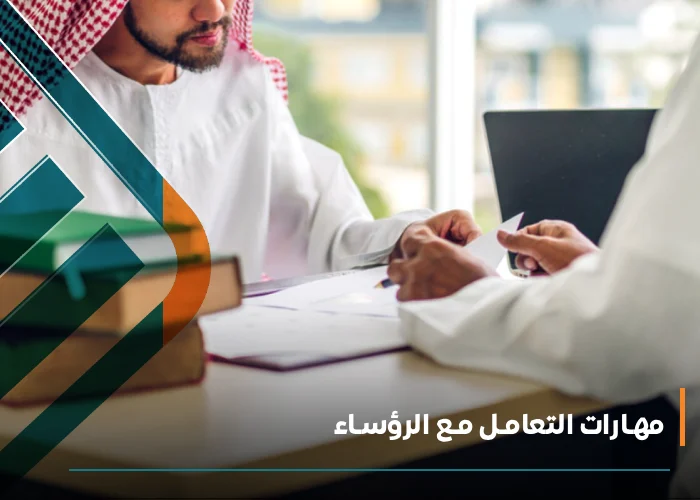
The Skills for Dealing with Managers course is a practical program designed to equip learners with the knowledge and skills needed to communicate effectively with managers and supervisors in the workplace. The course focuses on understanding leadership styles, managing expectations, and handling difficult situations professionally. It enhances communication, trust-building, and the ability to present ideas and suggestions professionally, improving individual performance and professional relationships within the organization.
The Goals
The Skills for Dealing with Managers course aims to qualify learners to understand leadership styles, improve communication with management, and develop the ability to handle challenging situations effectively and professionally.
Detailed Objectives
By the end of the course, learners will be able to:
- Understand different leadership styles of managers and supervisors.
- Enhance communication and interaction with senior management.
- Handle directives and instructions flexibly and professionally.
- Present ideas and suggestions convincingly.
- Manage expectations and respond effectively to feedback.
- Build trust with managers and colleagues.
- Handle difficult situations and workplace pressure efficiently.
- Improve individual performance and achieve work goals.
- Adapt to various leadership styles.
- Enhance professional relationships within the organization.
Target Auidence
The course is suitable for:
- New employees seeking to understand leadership styles.
- Staff aiming to improve communication with their managers.
- Employees in management and HR departments.
- Students and graduates seeking professional workplace skills.
- Anyone wishing to strengthen professional relationships and performance.
The Features
The course provides several benefits, including:
- Understanding leadership styles and manager types.
- Enhancing effective communication with management.
- Learning to present proposals and ideas professionally.
- Improving expectation management and feedback handling.
- Handling challenging situations and pressure efficiently.
- Building trust and strengthening professional relationships.
- Suitable for both beginners and experienced staff.
- Applying best professional practices in the workplace.
- Supporting individual performance and productivity.
- Adapting to various leadership styles effectively.
Topics
Module 1: Understanding Leadership Styles
- Types of leadership in the workplace.
- Impact of leadership styles on employees.
- Understanding the manager’s personality and approach.
Module 2: Communication with Managers
- Effective communication methods with senior management.
- Presenting ideas and suggestions clearly.
- Active listening and understanding manager directives.
Module 3: Managing Expectations and Feedback
- Handling evaluations and feedback.
- Managing manager expectations effectively.
- Presenting justifications and suggestions professionally.
Module 4: Handling Difficult Situations
- Identifying sources of conflict and stress.
- Problem-solving under pressure.
- Maintaining professional relationships in critical situations.
Module 5: Building Trust and Collaboration
- Importance of trust between employee and manager.
- Enhancing collaboration and demonstrating commitment.
- Improving individual performance through effective interaction.
Module 6: Practical Applications
- Real-life workplace case studies.
- Practical exercises on communication and expectation management.
- Developing a personal plan for dealing with managers.
Learning outcomes
After completing the course, learners will be able to:
- Understand leadership styles and manager types.
- Improve communication skills with senior management.
- Handle directives and instructions with flexibility.
- Present ideas and suggestions professionally.
- Manage expectations and respond effectively to feedback.
- Build trust and strengthen professional relationships.
- Handle difficult situations efficiently and calmly.
- Improve individual performance and achieve work goals.
- Adapt to different leadership styles.
- Enhance professional competence within the organization.
Requirements And Conditions
To join the Skills for Dealing with Managers course, it is preferable to have:
- A desire to improve communication and interaction with management.
- Readiness to apply techniques for handling various workplace situations.
- Interest in developing individual and professional performance.
- No prior experience in dealing with management is required.
- Commitment to attend sessions and complete practical exercises.
The Blog
In the modern work environment, dealing with superiors is one of the key skills employees must master to ensure professional success and develop job relationships. Effective communication with superiors is the key to improving job performance and enhancing team productivity, as it helps reduce tensions and increase mutual understanding between employees and management.
The "Skills for Dealing with Superiors" course aims to equip participants with the methods and strategies necessary to build successful professional relationships with superiors by improving communication, understanding different leadership styles, and applying effective techniques to deal with workplace challenges. Participants will learn how to enhance positive interactions with their superiors and achieve better results in the workplace.
Through this course, you will be able to develop your skills in dealing with leadership professionally, improve your abilities in time management, negotiation, and problem-solving in the workplace. This course will provide you with the tools necessary to be more efficient in working with superiors and achieve sustainable career success.
What Are Leadership Styles and Understanding Human Behavior?
In the workplace, dealing with superiors is a crucial part of improving individual and collective performance. To understand how to deal with superiors effectively, it is essential first to understand the different leadership styles and how they influence employee behavior in the workplace. Leadership styles provide a clear view of how leaders impact their teams, while understanding human behavior is an important factor in enhancing interaction between employees and management.
Main Leadership Styles:
-
Autocratic Leadership
In this leadership style, the leader makes all the decisions themselves, and employees are expected to comply without discussion. This type of leadership is suitable for situations requiring quick and effective decisions, but it may reduce positive interaction between the leader and employees. Adapting to this style requires employees to be able to comply quickly and follow instructions. -
Democratic Leadership
In this style, the leader involves the team in the decision-making process, enhancing positive interaction and organizational loyalty. This leadership style encourages active participation from employees and fosters team spirit. It is useful in work environments that require creativity and continuous collaboration. -
Transformational Leadership
Transformational leaders inspire and motivate employees through vision and encouragement, encouraging them to achieve personal goals alongside organizational objectives. This leadership style promotes innovation and exceeding expectations, which enhances productivity. -
Servant Leadership
In this style, the leader places the needs of employees first and works to support them. The servant leader always seeks to serve their team, which improves morale and self-motivation among employees. This style enhances cooperation and encourages a work environment based on mutual respect.
Understanding Human Behavior in the Workplace:
-
Personal Motivations: People act based on their internal motivations, such as the desire for recognition or acknowledgment of their achievements. Understanding these motivations helps superiors motivate employees more effectively.
-
Emotional Intelligence: Emotional intelligence is a crucial factor in conflict management and effective communication in the workplace. A leader with emotional intelligence can positively interact with pressures and tensions that may arise between employees.
-
Cultural Tendencies: In a diverse work environment, cultural tendencies play a significant role in determining employee behavior. Understanding cultural diversity enhances a leader’s ability to work with diverse employees.
Leadership’s Impact on Dealing with Superiors:
Knowing leadership styles helps employees adapt to different approaches by their superiors. It also enables them to improve communication and enhance productivity by adopting the style that matches their superior’s leadership approach.
Skills for Dealing with Superiors
Skills for dealing with superiors are essential in improving team productivity and morale within the workplace. The relationship between employees and their superiors plays a significant role in creating a positive work environment and achieving organizational goals. To succeed in dealing with superiors, an employee must possess a set of leadership skills and effective communication techniques that contribute to enhancing cooperation between both parties.
Key Skills for Dealing with Superiors:
-
Effective Communication
Effective communication is the foundation of any professional relationship. The employee must be able to express their thoughts clearly and listen attentively to their superior’s instructions. Good communication can help enhance transparency and reduce misunderstandings. -
Mutual Respect
Respect between the employee and superior strengthens the work relationship and contributes to creating a positive work environment. The employee should deal with superiors respectfully, appreciating their decisions, which helps build a relationship based on mutual trust. -
Flexibility in Dealing
It is essential for the employee to be flexible in adapting to different leadership styles. A successful employee demonstrates the ability to respond flexibly to their superior’s directives while maintaining professionalism and productivity. -
Time Management
Time management skills are crucial when dealing with superiors. An employee who organizes their work time well and executes tasks efficiently will make it easier for superiors to work with them. -
Active Listening
Good listening is an integral part of effective communication. The employee must be able to understand what is expected from them by their superior and apply it in alignment with the organizational goals. -
Initiative
One important skill is for the employee to take initiative and act proactively, contributing to achieving the desired results before being asked to do so.
Badr Center: The Ideal Place to Develop Skills for Dealing with Superiors
Badr Center is the perfect place to develop skills for dealing with superiors. The center offers specialized training courses that focus on improving communication and managing relationships with superiors. Through these courses, participants learn effective strategies for improving interactions with leadership and achieving better job performance. In addition, the center offers accredited certificates that help improve employment opportunities in both public and private work environments.
Best Center for the "Dealing with Superiors" Course
Dealing with superiors is one of the most important skills every employee must possess to succeed in the workplace. The ability to understand leadership styles and communicate effectively with managers and superiors greatly contributes to improving team performance and increasing productivity within the organization. For this reason, Badr Training Center is one of the best centers offering specialized courses in skills for dealing with superiors.
Why Choose Badr Training Center?
-
Certified and Specialized Training
The "Dealing with Superiors" course at Badr Center offers specialized and accredited training content designed to enhance effective communication with superiors and understand different leadership styles. Participants will learn how to handle challenges that may arise in the workplace with their superiors, helping them build successful professional relationships. -
Experienced Trainers
Badr Center employs professional trainers with practical experience in administrative fields, who provide interactive training based on case studies and practical situations, ensuring effective learning and application of the skills. -
Accredited Certificates
Badr Center offers participants an accredited certificate upon successful completion of the course, which adds real value to their resumes and helps improve their job opportunities in the future. The certificates received are recognized by many companies and institutions across the Kingdom. -
Flexible Training Environment
Badr Center offers a range of training options, whether in-person or online, providing flexibility for participants based on their personal and geographical circumstances.
Skills You Will Gain from the Course:
-
Understanding different leadership styles and how to adapt to them.
-
Enhancing effective communication with superiors and subordinates.
-
Managing conflicts and solving problems constructively.
-
Providing clear and accurate reports that contribute to better decision-making.
The "Dealing with Superiors" course at Badr Center is the ideal choice for anyone who wants to improve their relationships with superiors in the workplace. The center offers practical and specialized training that helps develop personal and administrative skills, contributing to enhanced individual and collective performance within the organization.